The High Court in Glasgow has delivered a landmark judgment that is already reshaping how domestic abuse is recognised within the justice system.
A man has been jailed after being found responsible for the death of his wife, who took her own life following a prolonged period of abuse. The case marks a significant moment in Scotland, highlighting the devastating and often fatal consequences of coercive control and sustained violence behind closed doors.
The Story Behind the Case
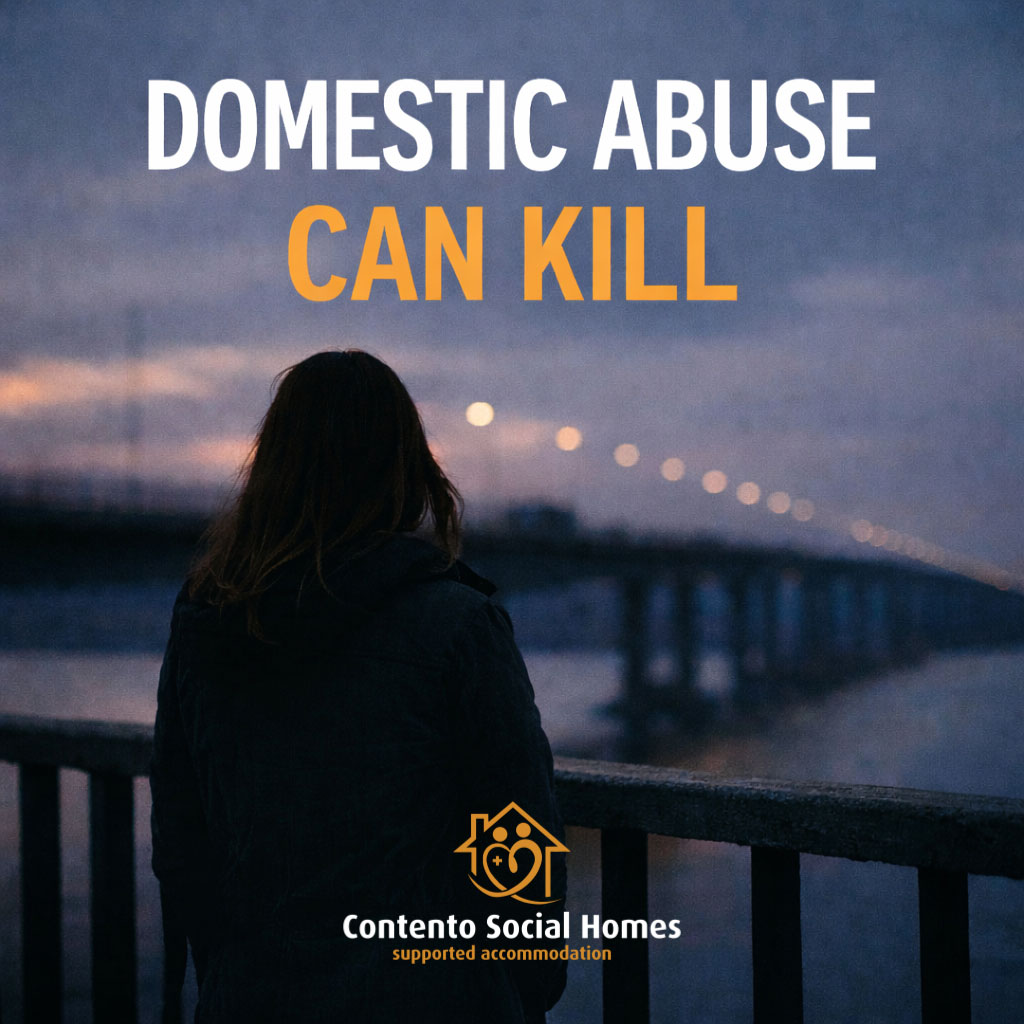
Kimberley Milne, aged 28, died in July 2023 after falling from a bridge in Dundee. Her death came after 18 months of what prosecutors described as a continuous course of domestic abuse.
The court heard that she had been subjected to repeated physical violence and coercive control. Evidence presented during the trial painted a picture of a woman living in fear, struggling under the weight of an abusive relationship that gradually eroded her sense of safety and independence.
CCTV footage shown in court captured disturbing moments in the hours leading up to her death. It showed erratic driving, aggressive behaviour, and a near miss as her husband drove towards her after she had stepped out of the vehicle.
On that same night, Kimberley ended her life on the A90.
A Landmark Legal Decision
Lee Milne was convicted of culpable homicide and domestic abuse and sentenced to eight years in prison.
The court determined that his actions did not simply form part of a pattern of abuse, but directly contributed to Kimberley reaching a point of despair that led to her death.
In sentencing, the judge made clear that responsibility extended beyond individual acts of violence. It included the cumulative impact of sustained abuse and the role it played in causing her death.
This is understood to be the first case of its kind in Scotland, where a perpetrator has been held legally accountable for a victim’s suicide in the context of domestic abuse.
The Hidden Reality of Coercive Control
This case brings into sharp focus a reality that many survivors know too well. Domestic abuse is not always visible. It is not limited to physical harm.
It often includes emotional manipulation, threats, isolation, and psychological control that can leave victims feeling trapped and without options.
Messages shared during the trial revealed the emotional pressure Kimberley was under. In one message to her sister, she expressed fear about leaving, saying her partner had threatened to harm himself if she did.
This form of control is a recognised pattern within abusive relationships. It creates a powerful sense of responsibility and fear, making it extremely difficult for victims to leave safely.
A Turning Point for Awareness
Domestic abuse services have described the case as deeply significant. It validates years of advocacy calling for greater recognition of the link between abuse and suicide.
For many organisations supporting survivors, this judgment represents progress. It acknowledges that the impact of abuse can be fatal, even when the final act is carried out by the victim themselves.
There is hope that this case will lead to broader awareness, stronger protections, and a more informed public understanding of how domestic abuse operates.
Remembering Kimberley
Kimberley Milne has been described by her family as one in a million.
While no legal outcome can undo the loss, her case has drawn a clear line. It has forced a deeper conversation about accountability, responsibility, and the true cost of domestic abuse.
A Wider Responsibility
Cases like this are not isolated. They reflect a wider societal issue that requires collective awareness and action.
Domestic abuse thrives in silence. It continues when signs are missed, when concerns are dismissed, and when victims feel they have nowhere to turn.
At Contento Social Homes, we work with women and children who are navigating these exact realities. Safe accommodation, emotional support, and pathways to independence are not optional extras. They are lifelines.
No woman should feel that despair is her only escape.
Support Is Available
If you or someone you know is experiencing domestic abuse, it is important to know that support is available and you do not have to face it alone. Confidential advice and assistance can be accessed at any time.
In the UK, you can contact the National Domestic Abuse Helpline, which is available 24 hours a day on 0808 2000 247. Support is free, confidential, and provided by trained advisers who can help you understand your options and find a safe way forward.
You can also reach out to Women’s Aid for guidance, local support services, and access to safe accommodation.
Support Through Contento Social Homes
Contento Social Homes provides safe accommodation and structured support for women and children who are leaving abusive environments. Our focus is not only on immediate safety, but on helping survivors rebuild their lives with dignity, stability, and independence.
We work closely with referral partners, local authorities, and support agencies to ensure each placement is safe, appropriate, and tailored to individual needs.
For referrals or support enquiries:
- Visit: https://contentosocialhomes.com
- Email: referrals@contentosocialhomes.com
- Call: +44 73 0509 2335 / +44 121 451 1464
If you are a professional making a referral, or someone seeking support, our team will guide you through the next steps with care and confidentiality.
If you are in immediate danger, always call 999.
No one should feel trapped or without options. Support is there, and reaching out can be the first step towards safety and a new beginning.