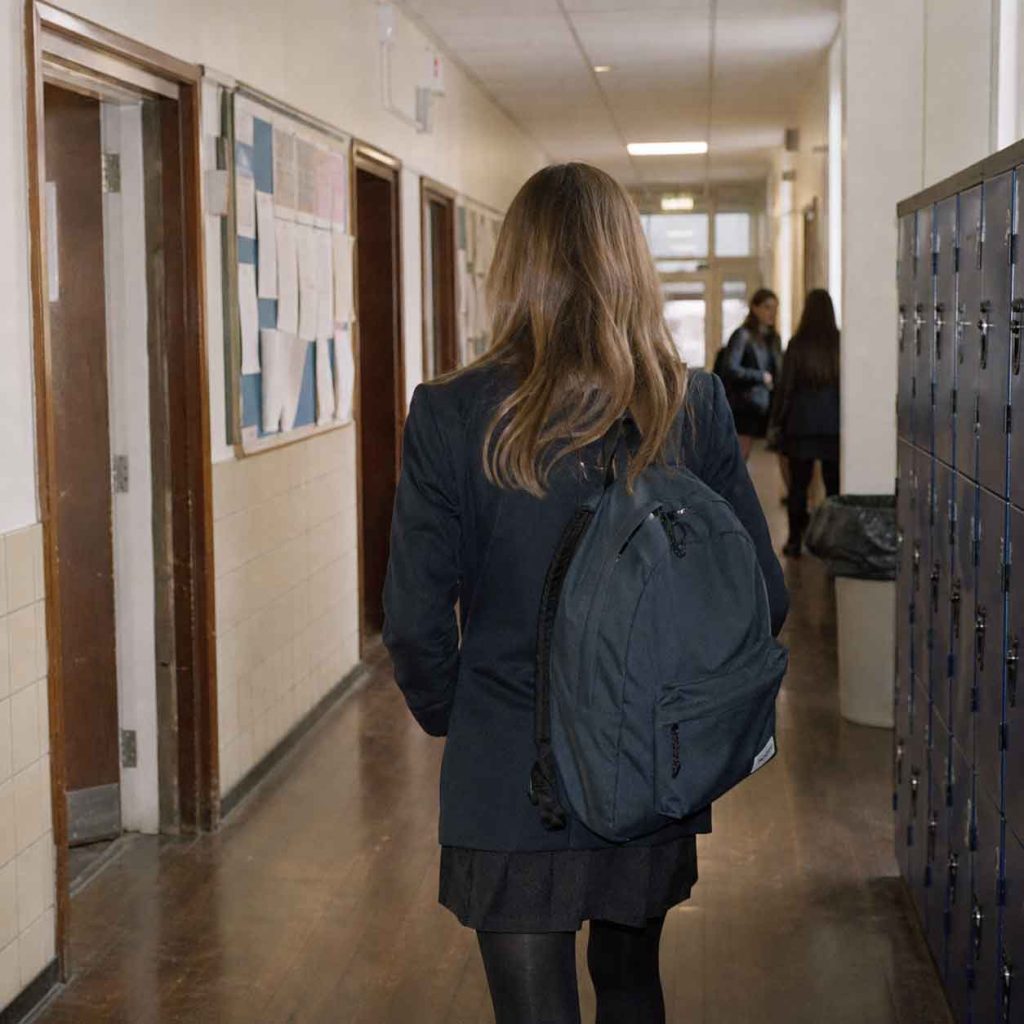
A BBC News report from Tyneside shows girls facing sexual comments, threats and pressure in school and online. Their message should not wait for a curriculum change. Adults need to listen and act now.
Published 5 August 2026 | Contento Social Homes
Content note: This article discusses misogyny, sexual threats and abuse involving children.
On 4 August 2026, BBC News broadcast a report by Megan Paterson about girls at a Tyneside school who had made a short film about the misogyny they face.
They spoke anonymously about sexual comments in classrooms, on the street and online. Some of the language was too explicit for the BBC to show.
The girls sent their film to the Prime Minister and hope it will be shared with schools across the country.
A list no child should ever see
One girl said boys had made what she called a “rape list”, ranking girls. Her response was simple: it made her feel worthless.
The list left her feeling worthless.
Based on an anonymous girl’s account to BBC News
A child should not have to enter a classroom knowing classmates have turned sexual violence into a list. Girls should not be expected to absorb that humiliation and carry on with their school day.
Another girl said some boys resort to sexualising or objectifying comments when they have nothing else to say. The report also heard how online influencers push male dominance and control.
This is not harmless language. It can change how girls feel about their bodies, their safety and their worth.
The warning reaches beyond school
Domestic abuse charities told the BBC that when extreme views become normal, they can enter young people’s first relationships.
One service worker said girls are recognising abuse in intimate relationships at 13 or 14.
That warning must be taken seriously. Control does not become acceptable because people are young, and sexual threats are not jokes.
The report also noted that many boys do not take part and feel uncomfortable. They can be part of changing the culture.
This is not about treating all boys as a threat. It is about teaching respect, consent and equality.
Education must lead to action
From September, secondary pupils in England will be taught how to recognise misogyny. The new guidance will also cover sexist and misogynistic influencers on social platforms.
This is welcome. It is also only a beginning.
Schools need clear reporting routes, trained staff and a consistent response when girls speak.
Parents and carers need honest conversations about what children see and share online. Social platforms must answer for the messages placed before young users.
Most of all, adults must stop asking girls to endure behaviour that adults would find unacceptable in any workplace or public space.
Why this matters to Contento Social Homes
Contento Social Homes exists to improve support for survivors of domestic abuse and their children in the United Kingdom by providing safe accommodation and skills to improve their wellbeing.
Our mission is to improve the wellbeing of survivors of domestic abuse and their children in the United Kingdom.
Safe accommodation matters when a survivor needs to escape abuse. Recovery also needs practical support, confidence and the chance to rebuild.
Prevention matters too. Ideas about dominance, entitlement and control must be challenged before they shape relationships.
That means listening without blaming, taking reports seriously and teaching children that love is not control.
Let the girls’ film be heard
The girls made a film, protected their identities and took their message to the country’s political leadership.
Now adults must respond.
Ask schools how they act on misogyny. Talk to young people about what they see online. Challenge sexual comments. Support boys who refuse to join in. Believe girls when they say they are frightened.
The girls spoke. We should listen, talk and act.
Source and editorial note: This commentary is based on a BBC News report by Megan Paterson, broadcast on 4 August 2026. The girls spoke anonymously. Contento Social Homes has not identified the school or the girls.