COERCIVE CONTROL
Ask most people what domestic abuse looks like, and they’ll describe a single moment: a slap, a
shove, something you could point to. What’s harder to picture is a woman double checking her tone
before she replies to a text. Rehearsing, in the car, how she’ll explain the shopping bill. Realising,
one quiet afternoon, that she can’t remember the last time she saw a friend without someone else’s
permission, spoken or not.
This is coercive control. No bruise, no single incident, but it is domestic abuse, and it has been a
specific criminal offence in England and Wales since 2015, brought in after years of campaigning by
charities who had seen, up close, that bruises were never really the point.
Why It Took So Long To Even Have A Name For This
For a long time, the law treated domestic abuse as a series of isolated incidents: this punch, that
argument, because that was what was easiest to investigate and prosecute. But people working
directly with survivors kept noticing the same thing: the violence, when it happened, usually wasn’t
what defined the relationship. What defined it was everything in between, the control, the fear, the
slow shrinking of a woman’s world. That incident based model radically misunderstood the nature of
the abuse many women actually experience, where the defining feature is often the coercion and
control itself, not the occasional violence. The term “coercive control” came out of exactly that insight.
Women’s Aid has spent years trying to put language around something that is often invisible even to
the woman living inside it, describing it in one awareness campaign simply as a pattern of behaviours
used to control, manipulate or frighten another person; one that’s genuinely difficult to spot without
first knowing the signs.
It Isn’t Just Older Or Long Married Women Either
There’s a quiet assumption that coercive control belongs to a certain kind of relationship: older
couples, long marriages. The reality looks different. Refuge, one of Britain’s largest domestic abuse
charities, reported this year that threats to kill or seriously harm young women and girls aged 16 to
25 have been rising, alongside increases in strangulation and suffocation among those it supports.
Many of these younger survivors were experiencing coercive control specifically: behaviour designed
to isolate, manipulate and intimidate, that typically starts small and escalates.
What makes that pattern dangerous isn’t just what it does to a woman’s confidence and
independence over months or years. It’s that subtle control early on is so often the thing that gets
overlooked, by friends, by professionals, sometimes by the woman herself, until it has escalated into
something much harder to walk away from.
The Children Who Grow Up Inside It
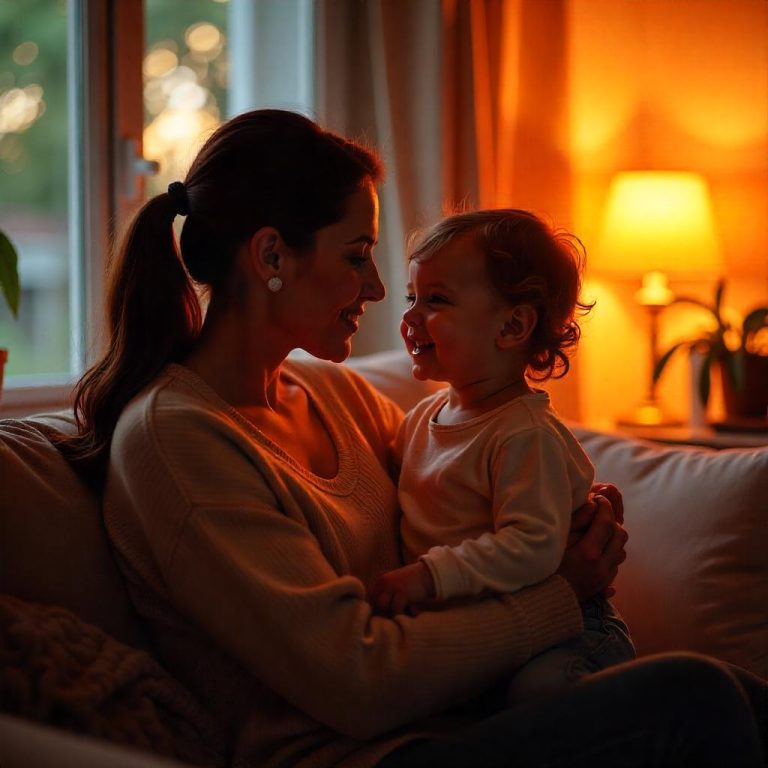
Nobody has to raise a hand to a child for that child to absorb what’s happening in the house. Kids
living with coercive control learn to read a room before they enter it: whose mood decides the
evening, which questions are safe to ask. It rarely looks dramatic from the outside. More often it
looks like a child who has gone quiet, watchful, a little too good at not being any trouble.
If Any Of This Sounds Familiar
A few things worth holding onto, whether this is about you or someone you’re worried about:
- You don’t need visible injuries for this to be real, or to be believed.
- If you find yourself constantly adjusting your behaviour to manage someone else’s reaction, that
pattern is worth paying attention to, not the individual incidents. - Leaving is rarely one decision made on one day. It’s a process, and for most women the biggest
obstacle isn’t emotional readiness, it’s having somewhere safe and stable to actually go.
That last point is where we come in. Recognising coercive control is often the hardest part, but
recognition on its own doesn’t change very much if there’s nowhere safe to take it next. It is very hard
to rebuild your own judgement, confidence and sense of self while you’re still living inside someone
else’s control.
That’s the gap we exist to close: safe refuge first, then a real pathway out of refuge, into
independent housing, and eventually into a home of her own, for women and the children
who have been living inside that control alongside her.
If this sounds like your situation, or someone you know, you don’t have to figure out what
happens next on your own. Visit contentosocialhomes.com/get-help or
contentosocialhomes.com/referrals.