A Contento Social Homes conversation
Caroline Phansi, CEO of Contento Social Homes CIC, speaks with a survivor about emotional abuse, silence, faith and the difference between forgiveness and reconciliation.
Interview by Caroline Phansi
Written and edited by Contento Social Homes
The survivor is describing the support she received from her church when Caroline takes her back to an earlier decision.
“At what point did you involve the church? Was it only after you had made your decision?”
The answer changes the direction of the conversation.
“That is probably one of my greatest regrets. Hindsight is valuable. At the time, I wanted to protect my spouse and my home from shame, so I kept silent.”
It would be easy to hear those words and imagine someone facing the problems in her marriage entirely alone. But that is not the story she tells.
She is a social worker. Psychologists had been involved from the beginning. She had sought professional help, arranged therapy and continued attending after her partner stopped. What she delayed was bringing her church into the situation.
Caroline recognises the pressure to protect a family’s image. She speaks about the labels and shame that can make people hide problems precisely when help might matter most. But the survivor wants to qualify her answer. She was also worried that disclosure would cause her spouse to withdraw from the process altogether.
“At the time, silence felt like the best decision for my spouse, although it was not necessarily the best decision for me.”
Her words leave an uncomfortable question hanging over the exchange: how do you ask for the support you need when you are also trying to protect someone else from the consequences of being known?
Before the words “I am leaving”
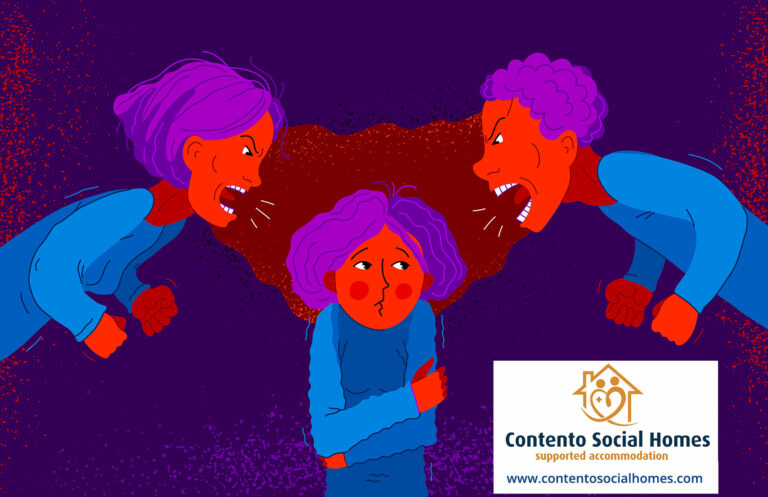
Early in the conversation, the survivor describes emotional abuse as a “silent killer”. She talks about repeated insults, about being called useless, worthless or difficult until someone else’s judgement begins to become your own.
“You then enter the world carrying that view of yourself.”
Caroline approaches the subject through the women her staff support.
“When we talk about leaving, I always tell our staff to respect the women who come to us.”
She describes the efforts that can remain invisible to everyone outside a relationship. A woman criticised for her appearance may change it. Told she is too fat, she may try to lose weight. Told she cannot cook, she may try different recipes. In Caroline’s account, the woman eventually saying she is leaving may have spent a long time trying to become whatever she was told the marriage needed.
Then there are the children.
Caroline speaks about a mother worrying whether they will have both parents in their lives, or feel forced to choose between them. She also asks what parents are teaching their children about how to treat other people. The concern is not simply whether the family remains together, but what life within it is showing them.
For the survivor, the efforts preceding her own decision included substantial therapy, including after an affair.
“We attended therapy, but my partner eventually stopped while I continued.”
“One person is attending therapy, while the other person is not,” Caroline observes.
“Exactly.”
The survivor explains that continuing therapy changed her understanding of what a healthy marriage should look like. When only one person remained engaged in that process, she felt they began developing in different directions.
Her psychologist was a Christian who valued marriage. Eventually, she says, that professional told her they had tried everything and there was nothing further she could recommend in the circumstances.
This is her account of reaching a decision, not a checklist another woman should have to complete. Its significance is in how much happened before the words outsiders might hear first: “I am leaving.”
Forgiveness, and what must change
Faith runs through the conversation. Both women speak about marriage in terms of love, peace and responsibility. The survivor challenges the use of its sacredness to excuse the belittling of a spouse.
Yet her experience does not become a straightforward story of a church failing her. The church she hesitated to involve became a source of support.
Its position, she explains, was that forgiveness did not settle the question of reconciliation. The person who caused harm needed to demonstrate “real, measurable change”. Support was available to that person too, but support came with an expectation of accountability.
Caroline draws out the distinction.
“So the central issue was the attitude towards what had happened?”
“Yes, the attitude had to change.”
The survivor objects to cultural responses that minimise betrayal by pointing to what other people endured. “Other people survived this” offers little reassurance when the person responsible has not changed their view of what they did.
“We cannot justify it by pointing to what our mothers, fathers, or others endured.”
“We cannot thrive by repeating those patterns,” Caroline responds.
The discussion has moved beyond whether a woman can forgive. It is now asking what she would be returning to.
For the survivor, that question includes the children. She challenges the assumption that remaining together necessarily provides the safety people imagine. In her view, their wellbeing depends on the health of the home itself.
The question she remembers
Among the questions raised in this conversation, there is one the survivor remembers being asked by her church:
“What do you need right now?”
Her pastors recognised that she had been wronged and was caring for the children. She says her safety and comfort helped guide decisions about whether the other party should remain in the same church.
It is a practical question, with room for an answer that has not already been decided on her behalf.
It does not ask her to defend how hard she tried. It does not turn forgiveness into an instruction to return. It begins with the person who is speaking, rather than the outcome everyone else hopes to see.
She had once kept her church outside the story to protect her spouse and her home from shame. When she eventually let them in, the question she valued was about what she needed.
Perhaps that is where the wider conversation should begin.
How can families, friends and churches support a woman who says she is being emotionally abused, without making the decision for her?
You do not need to share a personal experience to join the discussion. Please respect other people’s privacy.